Statistics

Pharmaceutical Statistics 2026: The Industry by the Numbers

The pharmaceutical industry is one of the largest on earth, worth roughly $1.6 trillion a year, and right now a single category is rewriting its rankings. Diabetes and obesity drugs have pushed one company to a trillion-dollar valuation and now account for several of the world's best-selling medicines. Here is the industry by the numbers, updated for 2026.

The headline numbers

Pharma in four figures.

$1.6T
Global pharmaceutical market in 2024
$467B
US prescription drug spending in 2024
4
Of 2025's ten best-selling drugs are GLP-1s
$1T
Eli Lilly's market cap, a pharma-industry first

Market size

A $1.6 trillion industry, still growing.

The global market reached about $1.6 trillion in 2024 and is projected to approach $2.4 trillion by 2029, growing 5 to 8 percent a year. Growth is slowing in percentage terms as blockbusters lose patent protection, but the dollars added over the next five years exceed the last five.

~$1.3T 2020 $1.6T 2024 ~$2.4T 2029 (proj.)

Global pharmaceutical market size in trillions of US dollars. 2024 actual and 2029 projection per IQVIA. Invoice spending, excluding one-time COVID-19 vaccine surges.

The biggest players

Largest pharma companies by revenue.

Ranked by 2024 pharmaceutical-segment revenue. The order shifts depending on how each company's non-pharma businesses are counted, and Roche and Novartis sit just behind this group.

Pfizer $63.6B J&J $57.8B Merck $57.4B AbbVie $56.3B AstraZeneca $54.1B

2024 pharmaceutical revenue, in billions of US dollars. Sources: company filings and industry reporting.

The trend behind the numbers

The metabolic boom is rewriting the rankings.

The clearest force in pharma today is the rise of GLP-1 medicines for diabetes and weight loss. In late 2025 Eli Lilly became the first pharmaceutical company in history to reach a $1 trillion market capitalization, on the strength of its GLP-1 drugs. Its market value is now more than double that of its nearest rival. Four of 2025's ten best-selling drugs are GLP-1s, and Lilly's tirzepatide plus Novo Nordisk's semaglutide were on track for more than $70 billion in combined sales in 2025 alone.

$1.0T Eli Lilly ~$490B Johnson & Johnson

Market capitalization, late 2025. Eli Lilly became the first pharmaceutical company to cross $1 trillion, worth more than double its nearest rival. Market caps fluctuate daily.

GLP-1s (4) Every other category (6)

Of the ten best-selling drugs worldwide in 2025, four are GLP-1 medicines for diabetes and weight loss.

What it costs

US drug spending, four decades.

US prescription drug spending reached $467 billion in 2024, up 7.9 percent from the year before. The long arc is steep: about $30 billion in 1980, $335 billion in 2018, and $467 billion today.

$30B 1980 $335B 2018 $467B 2024

US prescription drug spending, in billions of US dollars. Source: CMS National Health Expenditure data.

In context

Drugs are a smaller slice than you think.

Prescription drugs dominate the headlines, but they are under a tenth of US health spending. Of the $5.3 trillion the country spent on healthcare in 2024, hospitals and physician services took more than half, while retail prescription drugs were roughly 9 percent.

Rx drugs: 9% Hospitals 31% Physician & clinical 21% Rx drugs 9% Everything else 39%

Share of $5.3 trillion in total US health spending, 2024. Source: CMS National Health Expenditure data.

The strain

Affordability is still the sore point.

1 in 4
Adults taking prescriptions report difficulty affording them, rising to about 40% of lower-income households
82%
Of adults consider prescription drug prices unreasonable

Generics blunt some of the pain, filling about 90 percent of US prescriptions at a fraction of brand-name prices, and Medicare drug-price negotiation under the Inflation Reduction Act is expected to slow per-person spending growth over the coming decade. Source: KFF.

The workforce

Pharmacists, by the numbers.

Pharmacists remain one of the better-paid healthcare professions, though the work is shifting from shrinking retail counters toward hospital and clinical settings.

MetricFigure (2024)
Pharmacists employed in the US335,100
Median annual wage$137,480
Projected job growth, 2024 to 20345% (faster than average)
Annual job openings, projected~14,200
Highest-paying stateCalifornia
Top-paying metro areaSan Jose, CA (~$187,480 mean)
Share who are women~57%

Source: US Bureau of Labor Statistics, Occupational Outlook Handbook and May 2024 wage data.

What comes next

The outlook to 2030.

Three forces will shape the rest of the decade. The metabolic wave keeps building as GLP-1s expand into new uses with a deep pipeline behind them. A wall of patent expirations is coming for some of the industry's biggest oncology and immunology sellers, opening the door to biosimilars and reshuffling the rankings. And pricing pressure from the Inflation Reduction Act will keep net growth below what gross sales suggest. Underneath all of it is a steady shift toward biologics and precision medicine, treatments guided by an individual's own biology rather than the population average.

Sources: IQVIA Institute (Global Use of Medicines Outlook through 2029); US Centers for Medicare and Medicaid Services (National Health Expenditure data, 2024); US Bureau of Labor Statistics (Occupational Outlook Handbook, May 2024); KFF; and company financial filings and reporting. Figures are current as of 2026 and rounded. Market-size estimates vary by source and methodology.

In this article

How works

Create your account

Emailyou@example.com
StateTexas
Annual membership $499 / year
Get started

Book your draw

At home $99Walk-in included
Mon 9 Tue 10 Wed 11 Thu 12 Fri 13
7:30 AM Phlebotomist comes to you · fasting draw · $99
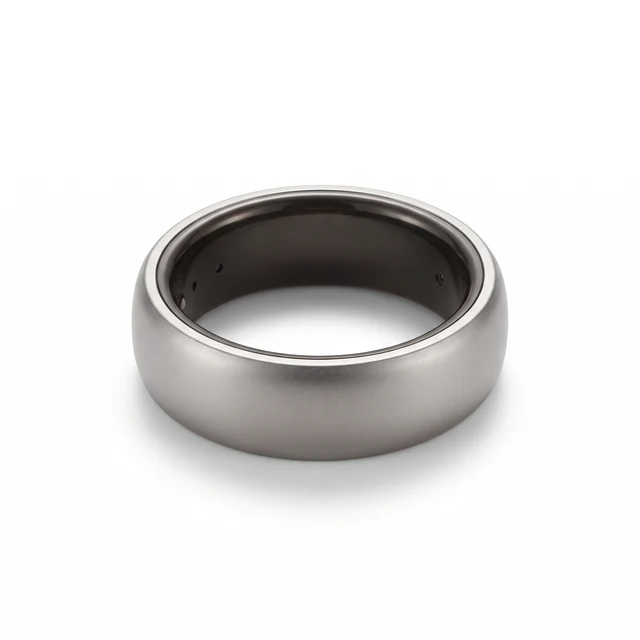
Ring
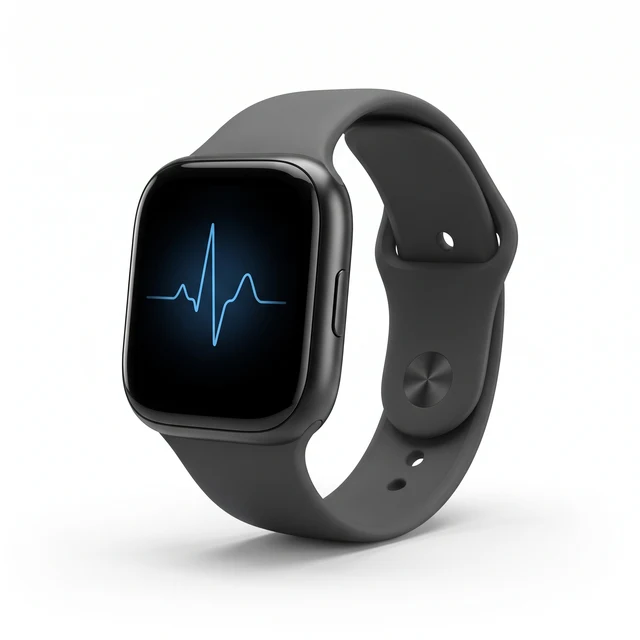
Watch
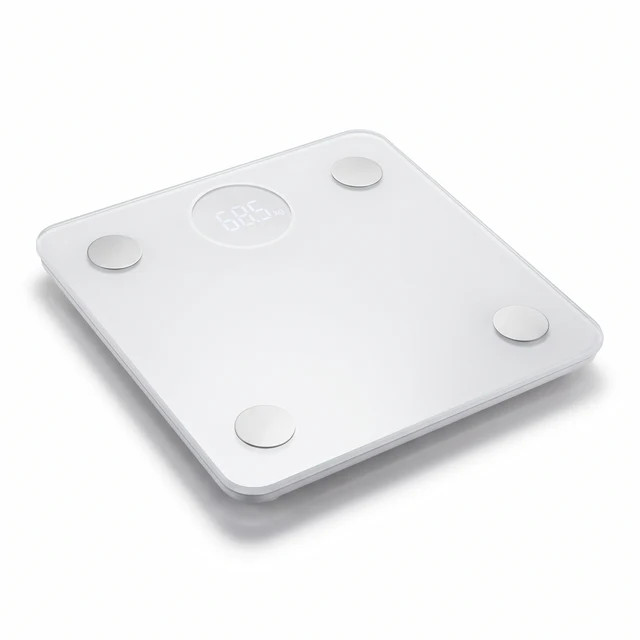
Scale
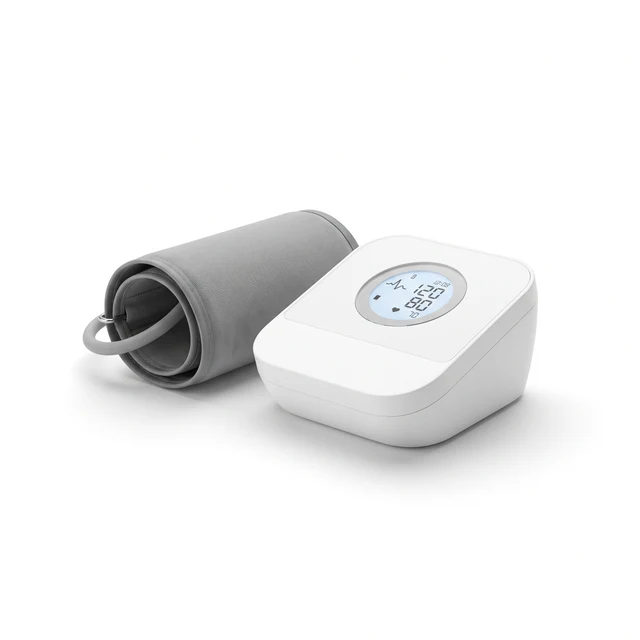
BP cuff
ApoB78mg/dL · optimal
hs-CRP0.6mg/L · optimal
Fasting insulin11.4µIU/mL · above target
HRV, 7-day52ms · rising

Your action plan

  • Zone 2 cardio, 150 min a week
  • Protein to 1.6 g/kg; cut late meals
  • Retest insulin and A1c in 90 days

What moved this quarter

  • LDL cholesterol down
  • HDL cholesterol up
  • Triglycerides down
  • Fasting glucose down
  • HbA1c down
  • hs-CRP down
  • Vitamin D up
  • Testosterone up
  • ApoB down
  • Ferritin up

Jan baseline to Apr retest. Every change is explained in your plan.

Not your average
Checkup.

Every life stage brings new biological demands. Tracking the right metrics at the right time helps you adapt, optimize performance, and extend both lifespan and healthspan.

Your Annual Physical

  • Manual Data Processing
  • Guesswork Trend Detection
  • Once-a-year physical
  • Reactive, tested when sick
  • No data between visits
  • Once a year testing
  • Delayed Results
  • One-size dosing, set and forget

OneTwenty

  • Real-Time Trend Insights
  • Daily smart-device data
  • Automated Data Sync
  • Quarterly Biomarker Tests
  • Optimal, personalized targets
  • Plain-language AI insights
  • Treatments titrated to your data
  • Built to extend healthspan
Learn more

Lifelong Optimization

Become a
Founding Member

Get started

Founding pricing ends at public launch

Frequently Asked Questions

Clarity before
you commit

Answers on setup, scale, and support to remove blockers.

What’s included in the membership?

Your membership includes four targeted lab panels each year, continuous monitoring from the wearable device of your choice, and continuous monitoring of your smart scale to track weight and body composition. You’ll also receive access to our proprietary health scoring system, built on the American Heart Association’s Life’s Essential 8, which gives you a clear picture of your cardiovascular and metabolic health. Membership comes with ongoing support from a dedicated health coach, custom supplements, and access to prescription treatment through independent licensed providers, all managed directly through your dashboard. Additional devices and monitoring tools can be purchased at discounted member pricing.

Do you treat medical conditions?

OneTwenty is a health optimization membership, not a medical practice. We don't diagnose, treat, or cure medical conditions, and we don't practice medicine.

What we do is give you a clearer picture of your own health. Your membership includes quarterly lab testing, integration of your wearable data, and an AI-powered view of your biomarkers and trends over time. The focus is optimization and prevention for people who are generally healthy and want to stay that way, not the treatment of disease.

Anything clinical, including prescriptions, is delivered by independent, licensed healthcare providers through our telehealth partners. Those providers exercise their own medical judgment and are solely responsible for any evaluation, diagnosis, treatment, or prescription. OneTwenty does not direct or control their clinical decisions.

If you're managing a diagnosed condition, OneTwenty is not a substitute for your physician. We're a complement to the care you already receive, focused on helping you understand and improve the long-term inputs to your health.

Do you accept HSA and FSA?*

Most members can use HSA or FSA funds for their OneTwenty membership. Your membership covers diagnostic lab testing and clinician review, which are generally eligible medical expenses, though final eligibility depends on your specific plan. If you pay with an HSA/FSA card, it works like any other card at checkout. If you don't have a card, or your plan requires documentation, we provide an itemized statement listing the services, the ordering provider, and the amount paid, which you submit to your plan administrator for reimbursement. We can't guarantee your plan's decision, so we recommend confirming with your administrator.

Do I have to take medications?

No, OneTwenty prioritizes natural interventions that escalate over time. We will start with lifestyle modifications, then supplements, and only then if needed do we prioritize medication intervention.

Is OneTwenty available in my state/country?

We are available in 49 states except for Rhode Island. In New York and New Jersey, there is an increased fee due to collection laws in place that don't allow us to use the Quest Network.

Is my health data secure? (HIPAA Standards)

Your privacy and security are foundational to OneTwenty. We run on infrastructure and software built to HIPAA security standards, and we apply the same core safeguards used to protect data in regulated healthcare settings: encryption in transit and at rest, strict role-based access controls, and full audit logging of who accesses your information and when. We never sell your personal health data. You decide what you connect and share, and you can request deletion of your data at any time.

What's included in my membership?

One year on the OneTwenty platform, which covers four lab draws: one comprehensive initial panel to set your baseline, and three custom follow-up panels based on your results. Any additional services are available separately at transparent pricing.

Why can't I use my insurance for these labs?

Currently, we do not support direct insurance billing for lab orders. We made this decision to protect our members from unexpected and excessive costs.

Here is why:

The "Medical Necessity" Requirement: Insurance companies typically only cover lab tests that are tied to a specific illness or diagnosis code (ICD-10). Because many of our panels are proactive and focused on longevity (preventive wellness) rather than treating an active sickness, they are frequently rejected by insurers as "investigational" or "not medically necessary."

The Cost Risk: If we submitted these orders to your insurance and they were denied, the lab would bill you their standard "retail price." This retail price can be 5x to 10x higher than the negotiated rates we have secured for you.

Our Solution: By operating on a self-pay basis, we guarantee you access to our heavily discounted wholesale rates, ensuring you know exactly what you are paying upfront with no surprise bills in the mail later.

We are working on it: We understand that using insurance is preferred for basic labs. We are actively working on a solution that will allow us to safely bill insurance for standard preventive tests while keeping advanced longevity markers separate. We hope to introduce this hybrid option in the future.

Didn't find your answer?

Ask it here. We reply by email, and the good ones end up on this list.

Yur Data

Your Deices

Your Longevity