Longevity
Last Updated
Mar 31, 2026
Table of contents
If you’ve ever walked out of a lab draw wondering what the bill will look like, you’re not alone. The comprehensive metabolic panel cost in the U.S. varies wildly depending on where you go, how it’s billed, and whether you’re using insurance. This guide breaks down exactly what you’ll pay across different settings—and why frequent testing can quietly drain your budget over time.
Quick Answer: Typical Comprehensive Metabolic Panel Cost in 2026
So how much does a CMP blood test actually cost? Without insurance, you’re looking at anywhere from $10 to $400+ for the exact same panel, depending on where the blood is drawn and processed.
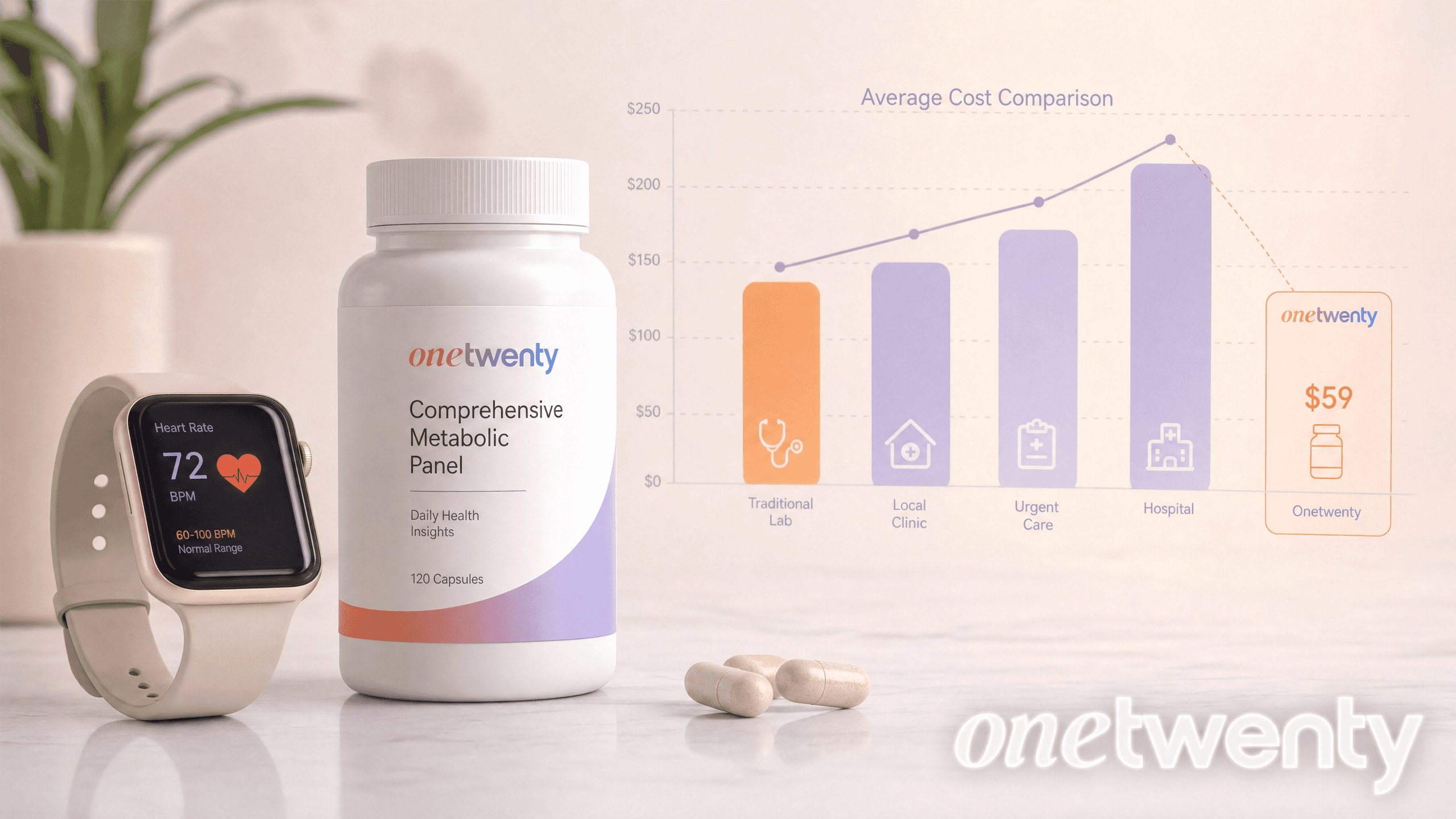
Most people who shop around and pay cash end up somewhere in the $25–$80 range at national labs like Quest Diagnostics or Labcorp. Walk into a hospital outpatient lab without asking for pricing first, and that same test can run $150–$300 or more.
The CMP is typically billed as a single panel under CPT code 80053. But the “sticker price” and your final bill often differ because of facility fees, phlebotomy charges, and lab markups that get added on top.
Here’s how costs break down by setting:
Independent labs and online-direct brokers: $10–$30 (often heavily discounted through telehealth orders)
Large national reference labs (Quest, Labcorp): $40–$80 cash-pay walk-in
Hospital outpatient labs and health systems: $150–$400+ “chargemaster” pricing
If you’re insured, your out-of-pocket cost depends heavily on your deductible and whether the test is coded as preventive or diagnostic. A preventive CMP during an annual wellness visit may cost nothing out of pocket. A diagnostic CMP ordered because you’re having symptoms? That often applies to your deductible first.
One-time CMP pricing is only part of the story. When you need repeat testing 2–4 times per year—common for anyone managing diabetes, hypertension, or medication side effects—those individual bills compound into serious annual expenses. An annual model like OneTwenty addresses this by bundling quarterly lab panels at a predictable cost, often undercutting traditional ad-hoc billing by 50% or more.
What Is a Comprehensive Metabolic Panel (CMP)?
A comprehensive metabolic panel is a standard blood test that measures 14 analytes in a single sample collection. It evaluates how well your liver, kidneys, and metabolism are functioning, while also checking your electrolyte levels, blood sugar, and protein status.
The typical CMP test measures:
Glucose (blood sugar)
Blood urea nitrogen (BUN)
Creatinine
Sodium, potassium, chloride, and carbon dioxide (bicarbonate) for electrolyte balance
Calcium
Total protein and albumin
Total bilirubin, alkaline phosphatase (ALP), AST, and ALT for liver function
Clinicians order CMPs for several reasons:
Routine annual checkups and wellness exams to establish baseline values
Monitoring chronic conditions such as diabetes, hypertension, fatty liver disease, or kidney disease
Checking for medication toxicity from drugs like statins, methotrexate, certain psych medications, or seizure medications that can affect liver enzymes or renal function
CMPs are frequently bought together with a complete blood count and lipid panel, which further adds to laboratory tests costs for typical “annual bloodwork.” That’s why understanding single-test pricing only tells part of the story—bundled orders are the norm, not the exception.
How Much Does a CMP Cost? (Breakdown by Setting, State, and Insurance)
The comprehensive metabolic panel cost in the U.S. is remarkably variable. The same CPT code—same test, same analytes—can vary depending on where it’s done, how it’s billed, and your insurance status.
Cash-Pay Price Ranges
Setting | Typical Price Range |
|---|---|
Independent labs / online brokers | $10–$25 |
National reference labs (Quest, Labcorp) | $40–$80 |
Hospital outpatient labs | $150–$400+ |
The lowest prices come from independent labs and direct-to-consumer platforms that negotiate bulk discounts with reference laboratories. National labs like Quest Diagnostics offer walk-in cash rates that typically land in the $40–$80 range—reasonable for a single test, but still adds up over multiple draws.
Hospital outpatient departments charge dramatically higher “chargemaster” rates. HealthPartners, for example, reports CMP pricing at $250–$280 in their system, with basic metabolic panels at $175–$200. Add phlebotomy fees ($20–$50) and facility fees ($100+ in some outpatient settings), and you’re quickly looking at $300+ for what costs $35 elsewhere.
Regional Differences
Where you live matters. Cash prices tend to run lower in high-competition states with abundant freestanding labs:
Texas: $20–$50 at independents
Florida: $25–$60
Arizona: $30–$70
Higher list prices appear in states with more hospital market dominance:
California: $100–$350 at hospital labs
New York: $150–$400+
Massachusetts: $200–$500
How Insurance Affects Your Cost
Insurance introduces significant complexity:
High-deductible plans: You effectively pay near-cash prices until your deductible is met. A $3,000 deductible means you’re paying full freight for most routine labs.
Preventive vs. diagnostic coding: A CMP during an annual wellness visit (coded as preventive) may be covered at zero copay if in-network. The same test ordered for symptoms or chronic disease monitoring applies to your deductible.
EOB confusion: Explanation-of-benefits statements often show a “billed” amount 5–10x the “allowed” rate (e.g., $500 billed vs. $50 allowed), leaving patients bewildered about what they actually owe.
Real-world scenario: A person in Los Angeles with a $3,000 deductible might see a $220 hospital CMP bill versus $35 at an independent lab for identical test results.

Why Lab Work Becomes So Expensive Over Time
A single CMP may not seem costly. But repeat testing 2–4 times a year—common for chronic condition management—plus additional panels can produce large annual expenses that most people don’t anticipate.
Annual Cost Scenarios
Monitoring Level | Typical Annual Cost |
|---|---|
Minimal (1 CMP/year, hospital pricing) | $150–$300 |
Chronic condition (3–4 CMPs + lipid + A1c) | $1,000–$2,000+ |
Optimization-focused (hormones, inflammatory markers, advanced lipids) | $2,000–$4,000 |
For someone managing type 2 diabetes with quarterly CMPs, A1c tests, and lipid panels—all at hospital rates—annual lab costs easily reach $1,500 or more. Add in a specialist or two ordering their own panels, and you’re looking at substantial out-of-pocket spending.
How Fragmentation Drives Up Costs
The fee-for-service model creates inefficiencies that directly hit your wallet:
Separate orders from multiple providers: Your primary care doctor, endocrinologist, and cardiologist may each order their own CMPs without coordination, leading to redundant tests
Per-visit fees: Each lab visit incurs its own draw fee ($25–$75), processing markup (200–500% over cost), and potential facility fee
No central tracking: Without coordinated trend analysis, tests get repeated too frequently or miss optimal timing
Financial Side Effects
The downstream effects go beyond the immediate bill:
Surprise billing: Hospital labs often send bills 30–90 days after the draw, creating unexpected cash flow hits
Delayed follow-up: Studies show 20–30% of patients skip recommended labs after receiving high bills, potentially worsening outcomes for conditions like uncontrolled diabetes
Zero price transparency: Most patients have no idea what a test costs before blood is drawn
For health-conscious people tracking glucose, lipids, and organ function more than once a year, traditional fee-for-service lab ordering is financially inefficient. The 40% of U.S. adults with high-deductible plans are effectively paying cash anyway—without any of the benefits of bulk pricing.
What Does a CMP Reveal About Your Health?
Beyond cost considerations, CMPs deliver valuable insights about how your vital functions are operating. The 14 analytes cluster into functional domains that provide information about different systems in the human body.
Kidney Function (BUN, Creatinine, eGFR)
Blood urea nitrogen and creatinine are waste product markers that reflect how well your kidneys filter blood. The eGFR (GFR estimated from creatinine using formulas like MDRD or CKD-EPI) is the gold standard for detecting early kidney disease. An eGFR below 60 ml/min/1.73m² signals chronic kidney disease stage 3—often completely silent until advanced.
Liver Health (AST, ALT, ALP, Bilirubin)
Liver enzymes detect liver damage before symptoms appear. An AST/ALT ratio greater than 2:1 suggests alcoholic liver injury. Elevated alkaline phosphatase and total bilirubin point toward bile duct issues. With non-alcoholic fatty liver affecting 25% of U.S. adults, these markers have become increasingly important for detecting early signs of disease.
Electrolytes & Acid-Base Balance
Sodium, potassium, chloride, and carbon dioxide (bicarbonate) reveal:
Dehydration (high sodium)
Diuretic effects (low potassium)
Acidosis or alkalosis (abnormal CO2)
The body’s ability to maintain proper hydration and pH balance
Proteins (Albumin, Total Protein)
Low albumin (below 3.5 g/dL) indicates malnutrition, chronic inflammation, or liver synthetic dysfunction. These values help determine nutritional status and chronic disease burden.
Glucose
Fasting glucose above 100 mg/dL suggests prediabetes. This single value, tracked over time, provides essential early warning for insulin resistance and diabetes risk.
Why Reference Ranges Aren’t Everything
Being “in range” doesn’t always equal optimal health. Values may vary depending on lab methodology and demographics. More importantly, trends matter more than snapshots. An ALT creeping from 30 to 50 U/L over several quarters signals developing insulin resistance—even though both values fall within “normal” reference ranges.
Certain medications make routine CMP monitoring essential:
Statins (5–10% risk of ALT elevation)
Metformin (kidney function monitoring)
Antihypertensives (electrolyte effects)
NSAIDs (creatinine monitoring)
This need for frequent testing is precisely why annual lab costs accumulate so quickly under traditional billing.
Preparation, Abnormal Results, and Common Follow-Up Costs
How you prepare for labs and respond to results affects both clinical value and your wallet.
Standard Preparation
Fasting: 8–12 hours before the draw for accurate glucose measurement (eating before testing can mimic prediabetes on paper)
Consistent timing: Morning draws before medications help compare trends accurately
Supplement awareness: Some supplements like biotin interfere with assays—note any you’re taking
What Happens When Results Are Abnormal
Abnormal values trigger a cascade that can become expensive quickly:
Abnormal Finding | Common Follow-Up | Typical Cost Range |
|---|---|---|
Elevated creatinine | Urine microalbumin, renal ultrasound | $200–$650 |
High ALT/AST | Hepatitis panel, FibroScan | $300–$800 |
Elevated glucose | A1c, oral glucose tolerance test | $100–$200 |
High levels of multiple markers | Specialist referral + additional panels | $500–$2,000+ |
A single abnormal CMP value can easily generate hundreds or thousands of dollars in follow-up costs when performed in hospital systems. Conditions like heart disease, liver disease, and various metabolic disorders require prompt attention—but patients often delay necessary workup due to financial concerns, which can worsen disease progression.
Smarter, planned lab schedules with clear expectations for follow-up reduce redundant testing and lower the cost per useful data point.

One-Time CMP vs. Ongoing Monitoring: Which Is Right for You?
There’s a meaningful difference between “check-the-box” annual screening and data-driven ongoing monitoring. Your health conditions and risk factors determine which approach makes sense.
When a Single Annual CMP Is Sufficient
Young, otherwise healthy adult with no symptoms or risk factors
Annual primary care visit with stable prior labs
Insurance covering a once-yearly wellness panel with no out-of-pocket cost
When Quarterly (or More Frequent) Testing Is Appropriate
Type 2 diabetes, prediabetes, or insulin resistance (quarterly per ADA guidelines)
Hypertension or heart failure, especially with diuretic use affecting electrolytes
Known fatty liver disease, obesity, or high triglycerides requiring ongoing tracking
Use of certain medications with liver/kidney effects (antifungals, anti-epileptics, immunosuppressants)
Active lifestyle optimization efforts where you want to see cause-and-effect changes
For people already using wearables—continuous glucose monitors, smart scales, fitness trackers—there’s an additional benefit to syncing lab data with lifestyle data. Traditional episodic lab ordering doesn’t support this integration. That’s where an annual membership model designed around 3–4 panels per year delivers both more insight and lower total cost.
How OneTwenty Makes Comprehensive Metabolic Monitoring Cost-Efficient
OneTwenty is designed to make high-quality lab monitoring—including comprehensive metabolic panels—more affordable and more useful over a full year.
The Core Offer
Instead of paying full price each time you need a panel, OneTwenty offers:
Annual membership structure: Predictable upfront cost rather than surprise bills
Quarterly lab panels: CMP plus other relevant tests (lipids, A1c, inflammatory markers) at a rational cadence
Out-of-pocket pricing: Undercuts year-over-year cost of ad-hoc hospital or clinic-based testing
How OneTwenty Provides More for Less
The math is straightforward. Traditional path: 3–4 CMPs plus lipid panels plus A1c tests at hospital rates easily exceeds $1,000–$1,500 annually. OneTwenty’s bundled approach covers multiple comprehensive panels for a lower total—often 50–70% less than fragmented billing.
But cost savings are only part of the value. Members receive:
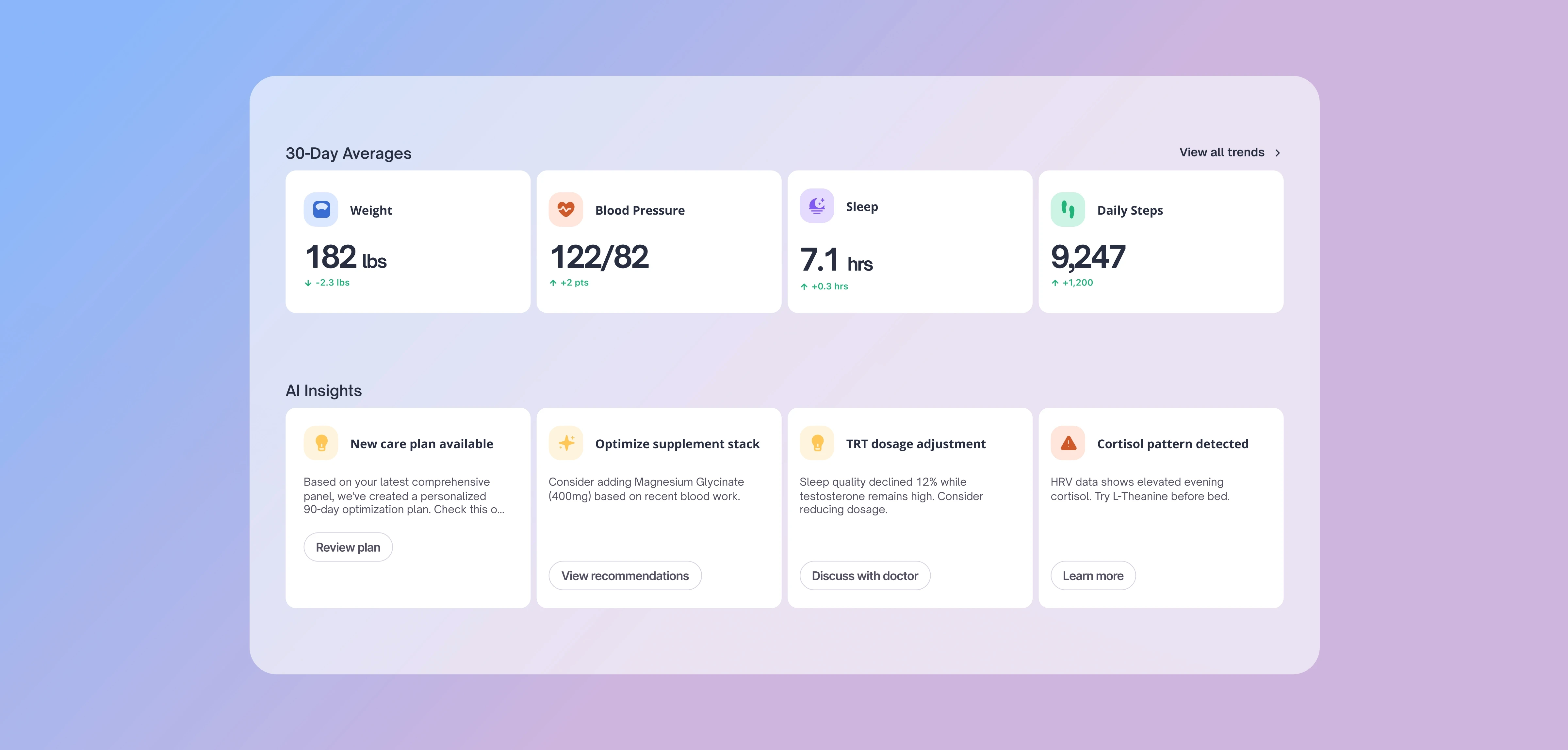
Integrated analysis: Raw lab numbers plus insights connecting CMP metrics with wearable data (CGM glucose trends, HRV, sleep metrics, body composition from smart scales)
Trend tracking: Centralized data minimizing redundant tests and optimizing timing
Upfront budgeting: Known annual expense instead of unpredictable bills
Optimized Timing and Content
OneTwenty schedules labs at rational intervals (typically every 90 days) and customizes based on prior results. If liver enzymes or glucose are trending up, intensified monitoring makes sense. If values are stable, unnecessary repeats are avoided.
This approach directly addresses how traditional fee-for-service billing wastes both money and clinical opportunity.
Integrating CMP Results With Wearables: Turning Expensive Tests Into Actionable Insights
The value of a CMP grows significantly when interpreted alongside daily lifestyle data rather than as an isolated quarterly snapshot.
What OneTwenty Connects
Continuous glucose monitors or periodic glucose readings: Compare fasting CMP glucose with time-in-range data from CGMs
Smart scales: Weight trends, body fat percentage, and visceral fat estimates correlating with albumin and eGFR changes
Fitness trackers: Steps, heart rate, VO2 estimates, HRV, and sleep duration and quality
Concrete Examples
Scenario 1: Rising fasting glucose on CMP paired with low step counts and poor sleep quality from wearables → triggers specific coaching and repeat CMP/A1c timing adjustment
Scenario 2: Mildly elevated ALT trending downward over two quarters in parallel with weight loss and improved movement metrics → evidence that lifestyle interventions are functioning as expected
Scenario 3: Electrolyte shifts on CMP correlating with increased exercise intensity and HRV changes from fitness trackers → context for values that might otherwise require prompt attention
Because OneTwenty plans for multiple CMPs and related labs over a 12-month period, you can see cause-and-effect changes. This is rarely achievable with a single annual test that provides no context before or after.
This integrated approach helps avoid “wasted” labs where no behavior changes follow, increasing the return on every dollar spent on blood testing. Your healthcare provider gets better data, and you get more energy and actionable insights from every draw.

Who Benefits Most From OneTwenty’s Approach vs. Traditional Lab Billing?
Some people are fine with a one-off CMP through traditional routes. Others gain massive financial and health advantages from an annual membership model.
Ideal OneTwenty Users
Adults 30–70 with concerns about metabolic health, longevity, or family history of diabetes or heart disease
People on multiple medications requiring periodic liver and kidney monitoring for safety
Wearable enthusiasts already using CGMs, smart scales, and fitness trackers who want lab data matching the sophistication of their daily tracking
High-deductible insurance holders effectively paying cash for labs anyway and looking for bulk value
Patients with prediabetes or early metabolic disorders who benefit from quarterly trends rather than annual snapshots
When Traditional Billing Might Be Adequate
Single diagnostic workup ordered urgently in a hospital setting for acute symptoms
Rare or ultra-specialized individual tests not part of routine metabolic monitoring
Truly healthy young adults with no risk factors needing only occasional screening
The Bottom Line for High-Monitoring Groups
For people who need 3–4 comprehensive panels yearly, an OneTwenty membership typically delivers:
Lower total annual spend compared to fragmented per-test billing
Denser, more useful data (CMP + additional panels + device data integration)
Better adherence to follow-up testing because costs are predictable
OneTwenty isn’t an alternative to working with an independent healthcare provider or your regular physician. It’s a smarter framework for paying for and using lab data over the long term.
How to Reduce Your CMP and Overall Lab Costs (With and Without OneTwenty)
Not everyone can change where their doctor sends labs. But there are still strategies to control costs regardless of which path you choose.
General Strategies for Lowering Lab Bills
Request independent or national lab routing: Ask your provider to send orders to Quest, Labcorp, or an independent lab instead of hospital outpatient facilities when clinically appropriate (potential savings: 60–80%)
Get cash/self-pay quotes upfront: Use tools like GoodRx to compare prices across locations before your draw
Clarify preventive vs. diagnostic coding: Understand whether your test will be covered as wellness screening or applied to your deductible
Bundle needed labs into a single draw: Avoid multiple visit fees by coordinating all pending orders into one sample collection when possible
Ask about facility fees: Hospital-based labs often add separate facility charges that independent labs don’t
How OneTwenty Specifically Helps
Converts unpredictable per-test spending into known annual cost: Budget once, test quarterly
Bundles CMP with commonly needed metabolic and cardiovascular labs: No piecemeal ordering at inflated prices
Reduces redundant or low-yield tests: Trend-based planning eliminates unnecessary repeats
Integrates data with wearables: Every test becomes more valuable when connected to daily health metrics
The Comparison
Factor | Traditional Path | OneTwenty Path |
|---|---|---|
Cost predictability | Low (surprise bills common) | High (annual fee) |
Per-CMP effective cost | $40–$300+ | Significantly lower via bundling |
Data integration | None | Wearables, scales, CGM |
Follow-up optimization | Fragmented | Trend-based scheduling |
Annual spend (frequent tester) | $1,000–$2,000+ | Lower total for comparable testing |
Your current pattern of lab use and spending may be costing more than it should—especially if you’re managing chronic health conditions or tracking your overall health proactively. For the 60 million Americans facing metabolic risks who skip labs due to $500+ average annual costs, there’s a better approach.
Whether you optimize within the traditional system or explore a membership-based model like OneTwenty, the goal is the same: more useful data about how your cells, muscle, metabolism, and organs are functioning—at a cost that makes sense over the long term.
Lifelong Optimization
Not your average
Checkup
Every life stage brings new biological demands. Tracking the right metrics at the right time helps you adapt, optimize performance, and extend both lifespan and healthspan.
Traditional
Manual Data Processing
Guesswork Trend Detection
Slow Campaign Setup
Multiple Tools, Multiple Logins
Reactive Decision-Making
Manual Reporting
Delayed Results
High Error Risk
Automated Data Sync
Real-Time Trend Insights
Instant AI Optimization
All-in-One Platform
Proactive AI-Driven Strategies
Auto-Generated Reports
Instant Performance Updates
AI Precision
Frequently Asked Qustions
Clarity before you commit
Answers on setup, scale, and support to remove blockers.